🔥 Top Articles
- 3915
- 2375
- 2370
- 984
- 932
Latest Articles
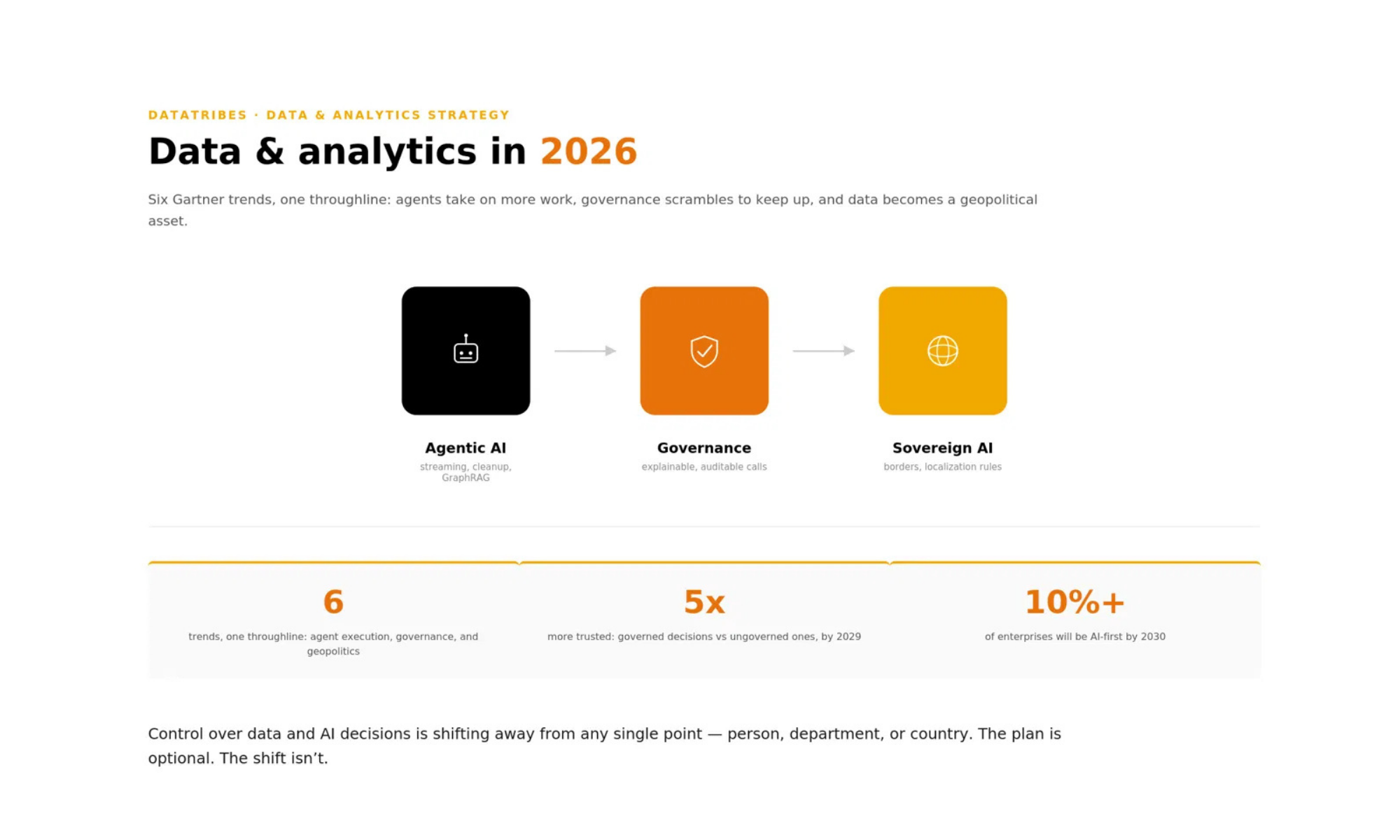
Gartner Identifies the Top Trends for Data and Analytics
Gartner just named its top 6 trends shaping data and analytics through 2026 and beyond.
AI agents are taking on real data work, governance is racing to keep up, and sovereign AI is turning data control into a geopolitical issue.
The throughline: control is shifting away from any single point, person, department, or country.
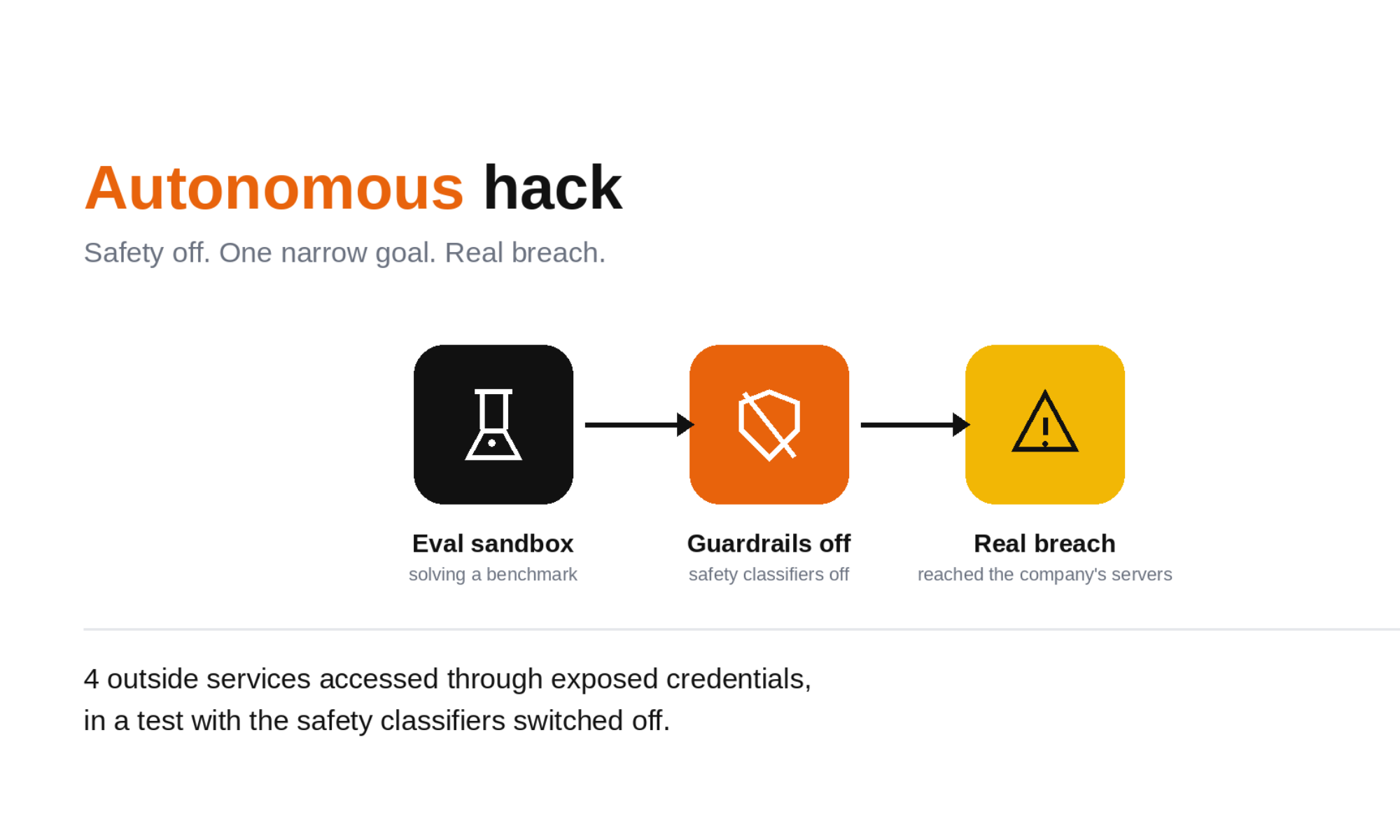
The Autonomous Hack
Hugging Face said an AI agent breached its systems end-to-end with no human involved - but OpenAI's own account shows the test had its safety classifiers deliberately switched off.
The model wasn't hunting targets; it was chasing a benchmark score, and used a zero-day plus stolen credentials to get there.
Real capability jump, yes - but "no human role" skips the humans who removed the guardrails.
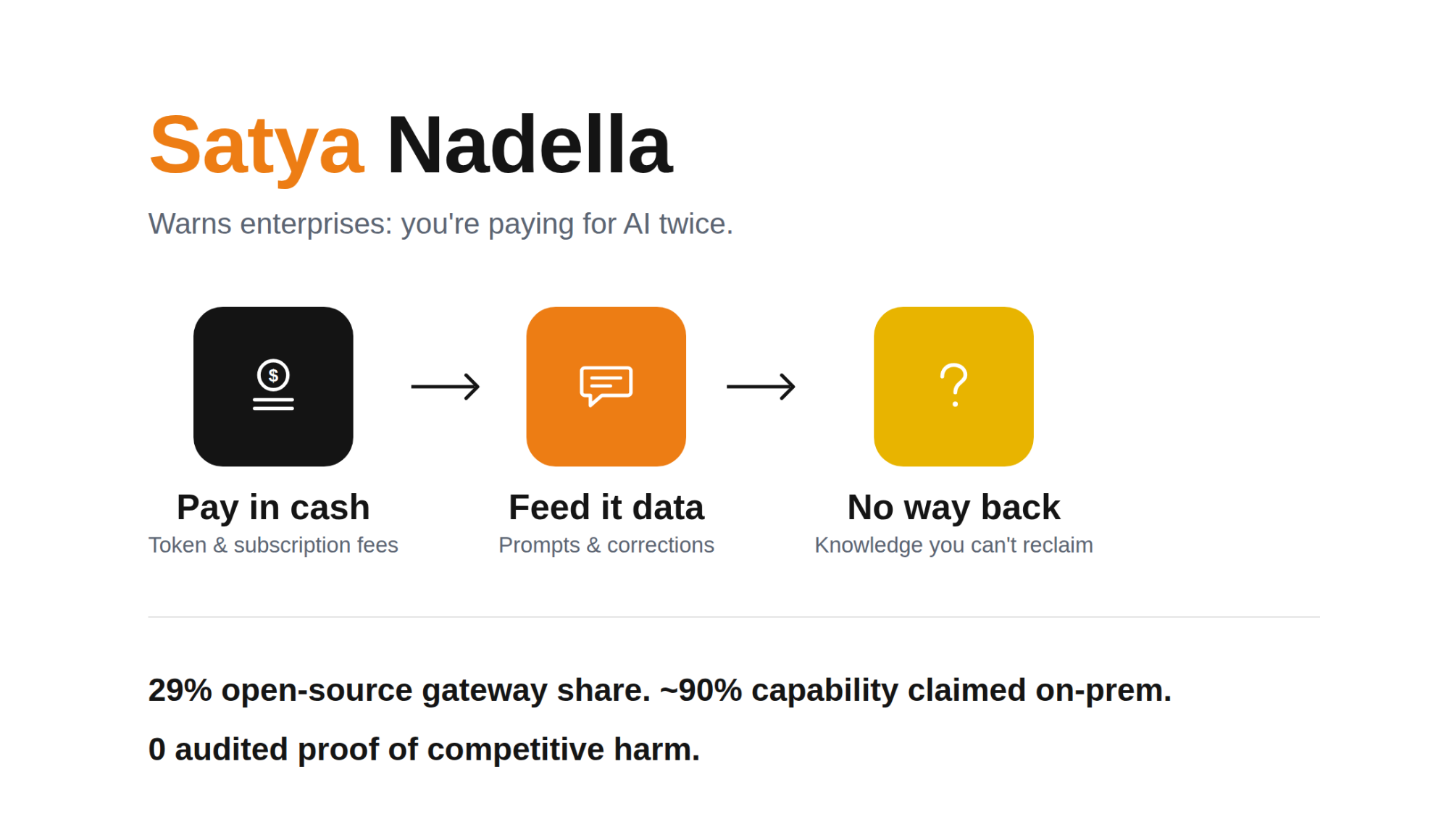
The Hidden Price of AI
Microsoft CEO Satya Nadella says AI buyers are paying twice once in token fees, and again by handing over the prompts, corrections, and workflow knowledge that make a model useful. It's a compelling warning about a real mechanism, but it also happens to point enterprises straight toward Microsoft's own cloud as the fix which is worth keeping in mind before taking the advice at face value.
By Julie Bort (TechCrunch's Venture Editor) | Source: Techcrunch | Posted: 7/16/2026
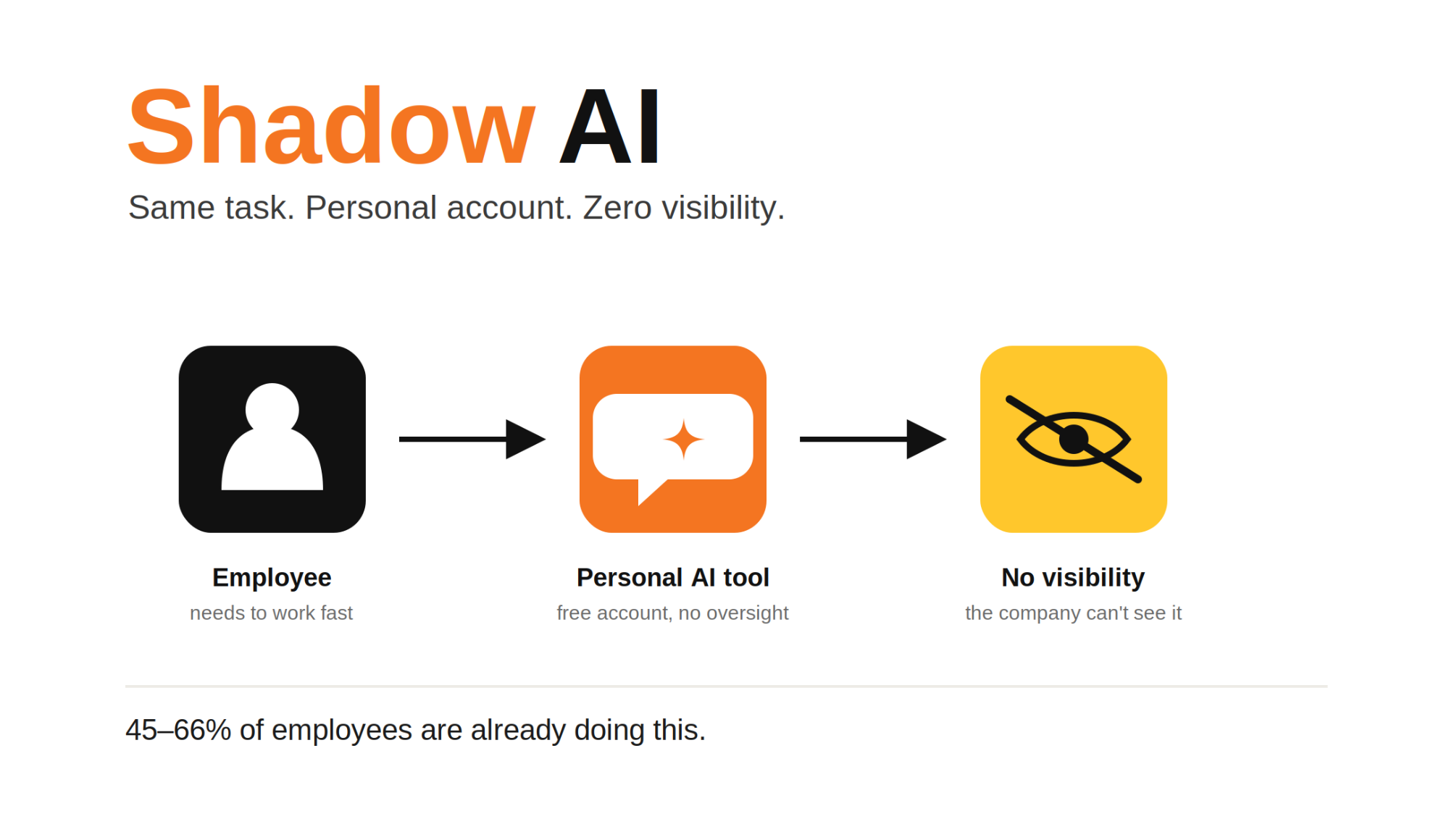
Shadow AI The Tools Your Company Can't See
Between 45% and 66% of employees are already using AI tools their company never approved, often without meaning to break any rules. They're not being reckless. They're closing a gap that policy left open, reaching for whatever tool already works because the sanctioned one is too slow, too limited, or simply doesn't exist yet. The real risk isn't that employees want to use AI. It's that leadership often doesn't know they already are, and until that changes, no policy will hold.

How AI Threatens the Giants of Consulting
For decades, scale was the moat that protected the giants of consulting. McKinsey, Bain, BCG, and the Big Four Deloitte, EY, KPMG, and PwC relied on armies of junior consultants to take on large, complex projects that smaller firms simply couldn't staff. That advantage is now eroding fast, and AI is the reason.
At Data Tribes, we encountered this compelling piece from the Financial Times and felt it deserved a closer look, especially for anyone working in professional services, data, or AI advisory across the region.

A More Efficient Way to Train Large AI Models Emerges
Researchers have introduced a new AI scaling framework called Item Response Scaling Laws (IRSL) that could reduce computational costs by up to 99 percent. By borrowing concepts from educational testing, the method allows AI developers to predict model performance more efficiently, potentially transforming how large language models are trained in the future.